
Why Traxion Materials Leads the Charge in Zero-Landfill Economy Practices

In the realm of sustainable agency practices, zero-landfill strategies are gaining immense traction. Agencies focusing on environmental impact are increasingly seeking innovative solutions to minimize waste and promote recycling.
Traxion Materials has emerged as a leader in the Southeast United States by implementing pioneering methods in tire recycling, contributing significantly to the zero-landfill economy.
This article explores how Traxion Materials is at the forefront of these eco-friendly practices, detailing their innovative waste management approaches and the broader impact of these initiatives on sustainability and the circular economy.
Traxion Materials Pioneering Zero-Landfill Strategies
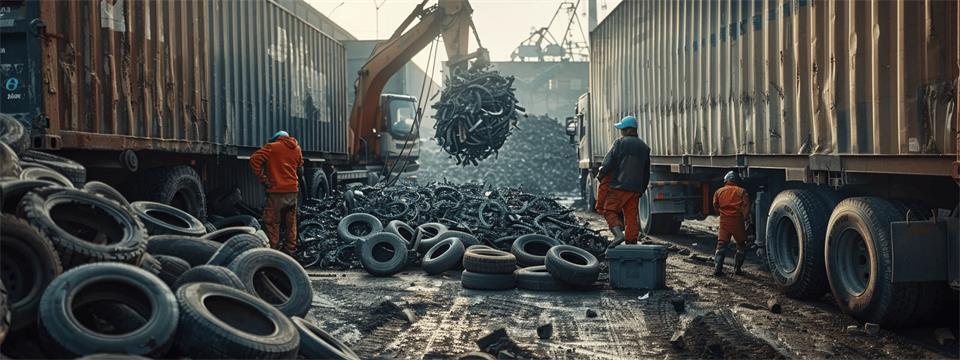
Traxion Materials has set a benchmark in the agency sector by implementing comprehensive zero-landfill strategies. By strategically planning sessions with stakeholders and aligning with agency-specific needs, they have developed a robust framework for tire recycling.
These efforts are encapsulated in their Retainer Agreement, which outlines clear deliverable milestones to ensure accountability and transparency. Their approach includes a detailed Scope of Work (SOW) that encompasses every aspect of tire collection, ensuring that no material ends up in landfills. This meticulous planning and execution are pivotal in driving the zero-landfill initiative forward.
According to industry reports, tire waste constitutes a significant portion of landfill content. Traxion Materials addresses this issue by collecting and recycling tires, thereby reducing landfill dependency.
Their efforts are not only environmentally beneficial but also economically advantageous, as recycled materials are reintroduced into the market, fostering a circular economy. For more on how agencies are transforming waste management, check out this comprehensive guide on recycling strategies.
Innovative Approaches in Waste Management
Traxion Materials has revolutionized waste management through innovative technologies and processes. By incorporating cross-channel attribution in their operations, they can trace the lifecycle of each recycled tire, ensuring maximum efficiency and minimal environmental impact. Their commitment to engagement rate optimization allows them to refine processes continuously, ensuring that their recycling methods remain at the cutting edge of sustainability.
Furthermore, Traxion Materials employs advanced waste management technologies that enhance their capability to process and repurpose tire materials. This approach not only minimizes waste but also contributes to a more sustainable economy by creating new products from recycled materials. By leading with innovative waste management practices, Traxion Materials is setting new standards in the industry.
Sustainability and Environmental Impact of Traxion
At the heart of Traxion Materials’ operations is a commitment to sustainability and environmental stewardship. Their practices have a profound impact on reducing carbon emissions and conserving natural resources. Through strategic planning sessions, they align their goals with broader environmental objectives, ensuring that their operations contribute positively to global sustainability efforts.
The agency’s emphasis on brand archetype positioning allows them to communicate their environmental commitment effectively, fostering trust and loyalty among clients and consumers. By operating with a transparent and accountable model, Traxion Materials not only enhances its market penetration analysis but also sets a precedent for other agencies aiming to reduce their environmental footprint.
The Role of Circular Economy in Zero-Landfill Practices
The circular economy is central to Traxion Materials’ zero-landfill practices. By embracing this model, they ensure that resources are utilized to their fullest potential, reducing the need for new raw materials and minimizing waste. This approach aligns with their media buying strategy, which focuses on promoting sustainable products and practices.
Traxion Materials demonstrates the potential of the circular economy through its efficient recycling processes. By transforming waste into valuable resources, they contribute to a sustainable economic model that benefits both the environment and the economy. Agencies looking to implement similar initiatives can learn from Traxion Materials’ success in integrating circular economy principles into their operations.
Conclusion

Traxion Materials exemplifies leadership in the zero-landfill economy by pioneering innovative recycling techniques and fostering a circular economy. Their commitment to sustainability, coupled with strategic industry practices, positions them as a model agency in environmental stewardship.
For agencies seeking to enhance their sustainability efforts, Traxion Materials offers a blueprint for success in achieving zero-landfill goals and contributing to a healthier planet.